



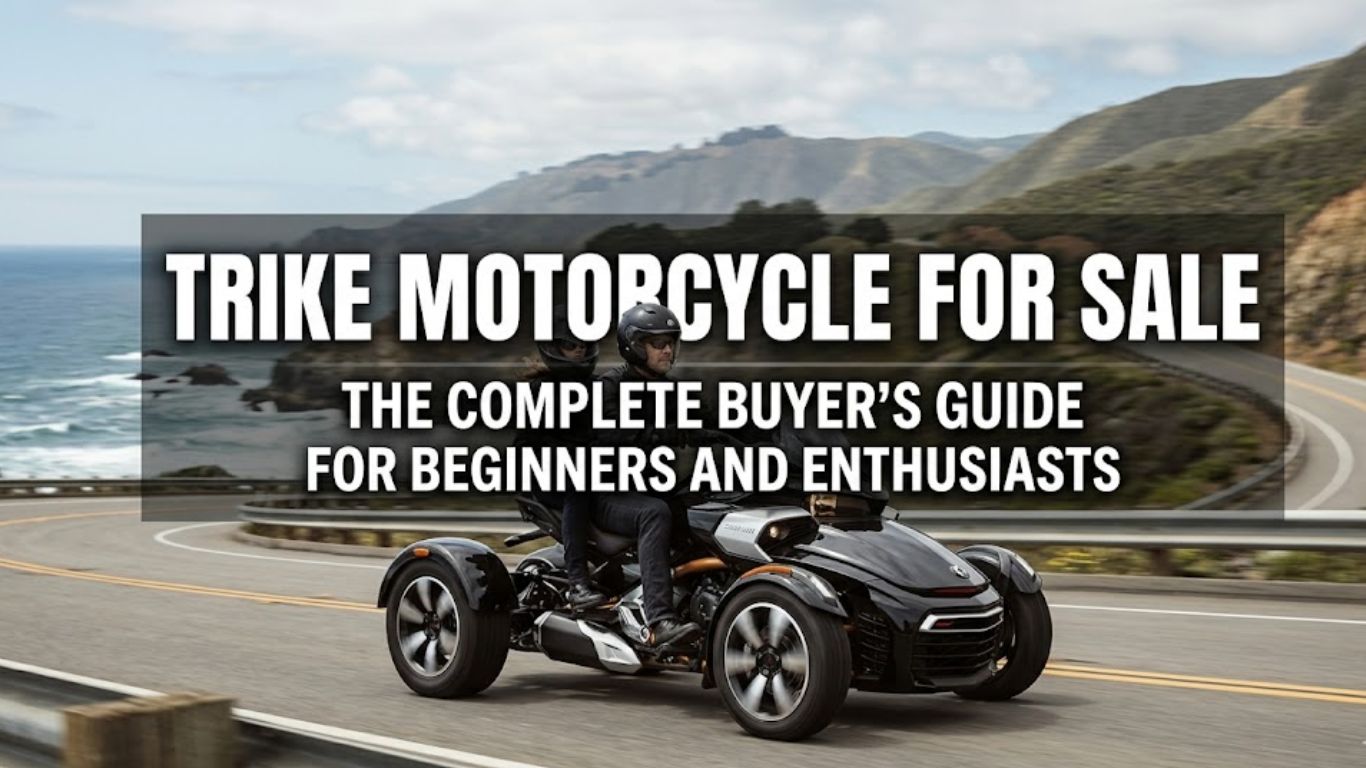

Introduction
Trike motor cycle Have you ever imagined riding a motorcycle but felt unsure about balance or stability? That’s where three-wheeled machines come into play. These unique rides combine the thrill of traditional bikes with the confidence of added support. Whether you’re a beginner, a senior rider, or just someone looking for comfort, these vehicles offer something truly special.
In this guide, we’ll explore everything you need to know—from features and pricing to benefits and buying tips. Think of it like choosing a car and a motorcycle rolled into one—because that’s exactly what it feels like.
1. What Is a Trike Motorcycle?
A trike is a three-wheeled vehicle designed for road travel. Unlike traditional motorcycles with two wheels, this version offers enhanced balance and comfort.
Key characteristics include:
- Two wheels at the back (or front in some designs)
- A more stable riding experience
- Comfortable seating, often like a car
It’s perfect for riders who want the freedom of a bike without the constant need to balance.
2. Why Choose a Three-Wheel Ride?
So, why are people switching to these rides?
Here’s what makes them appealing:
- Better stability – no tipping at low speeds
- Comfortable rides – especially for long journeys
- Beginner-friendly – easier learning curve
Imagine riding without worrying about falling over at a traffic light—that’s the level of confidence you get.
3. Types of Trike Motorcycles
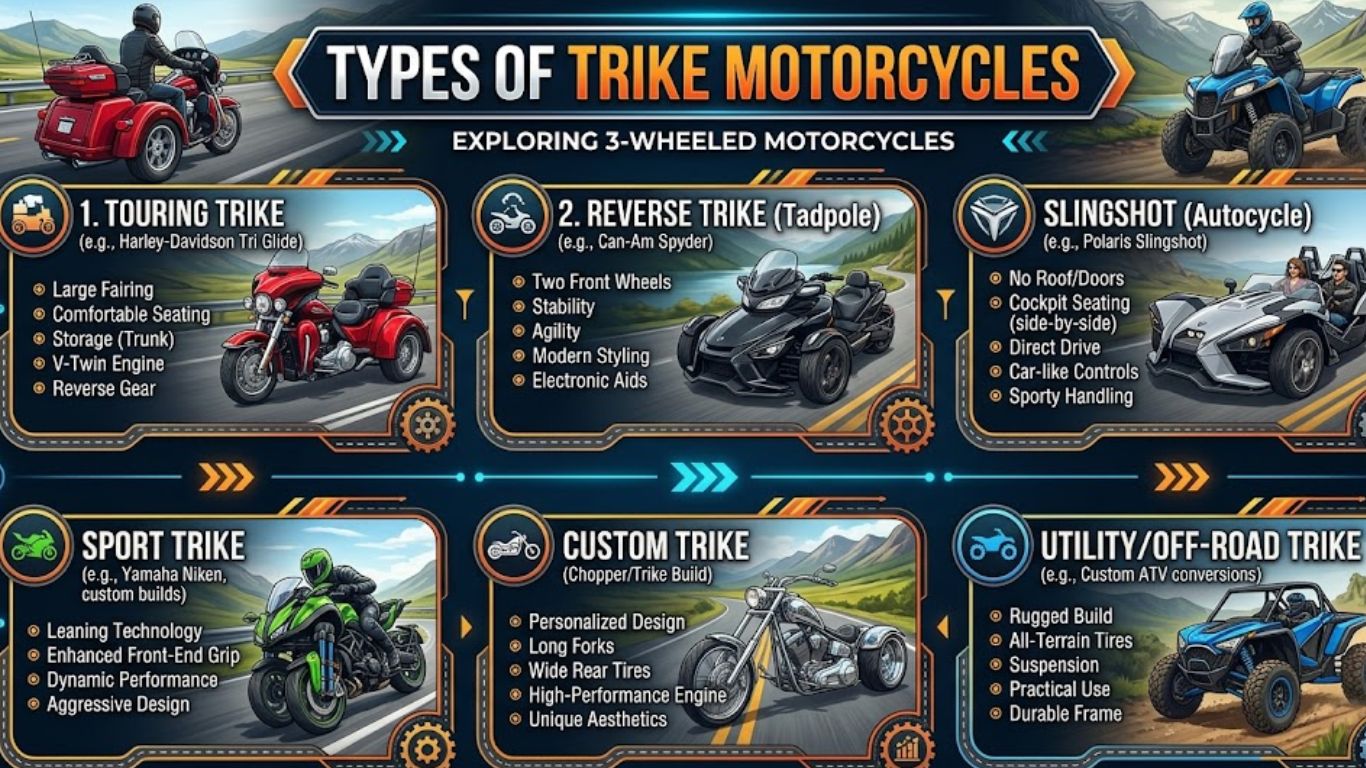
Not all trikes are built the same. Understanding the types can help you choose the right one.
Delta Configuration
-
- Traditional and widely available
Tadpole Configuration
- Two wheels in front, one at the rear
- Better cornering and control
Conversion Trikes
- Standard motorcycles converted into trikes
- Custom-built for unique preferences
Each type offers a different feel, so it’s worth test-riding before buying.
4. Key Features to Look For
When browsing options, don’t just look at appearance—focus on functionality too.
Important features include:
- Engine power – determines performance
- Comfort seating – crucial for long rides
- Storage space – useful for travel
- Technology – GPS, Bluetooth, cruise control
Think of it like buying a smartphone—you want both performance and comfort.
5. New vs Used: Which One Is Better?
This is a common question, and the answer depends on your budget and expectations.
Buying New
- Latest features
- Manufacturer warranty
- Higher cost
Buying Used
- More affordable
- Depreciation already accounted for
- Requires careful inspection
If you’re new, starting with a used option can be a smart move.
6. Price Range and Budget Planning
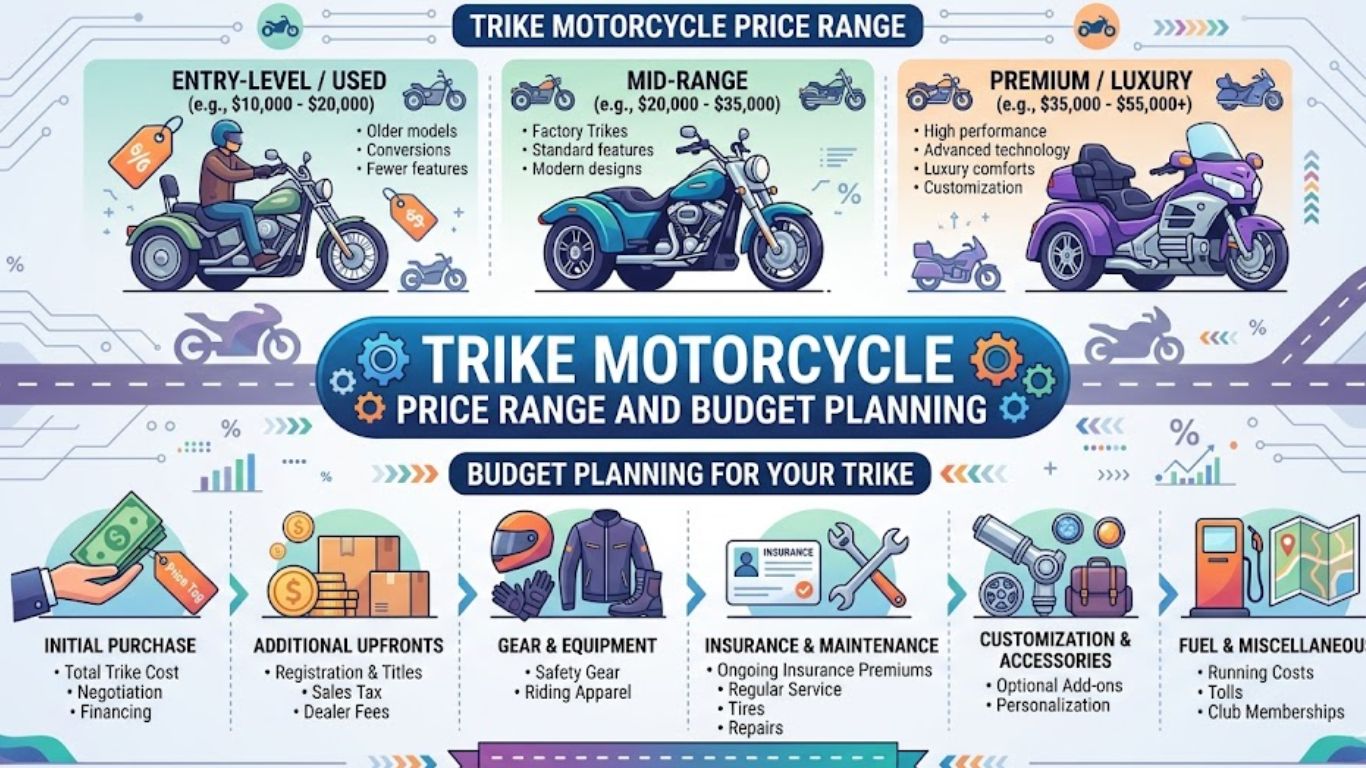
Prices can vary widely based on brand, condition, and features.
Typical ranges:
- Entry-level: $8,000 – $15,000
- Mid-range: $15,000 – $30,000
- Premium models: $30,000+
Before buying, ask yourself: What’s my real budget, including maintenance?
7. Best Brands and Models
Popular names include:
- Harley-style touring models
- Sport-oriented three-wheelers
- Custom-built luxury trikes
Each brand offers something unique—some focus on power, others on comfort.
8. Where to Find Deals
Looking for the best place to buy?
Top options include:
- Online marketplaces
- Local dealerships
- Classified ads
- Motorcycle shows
Always compare multiple listings before making a decision.
9. Licensing and Legal Requirements
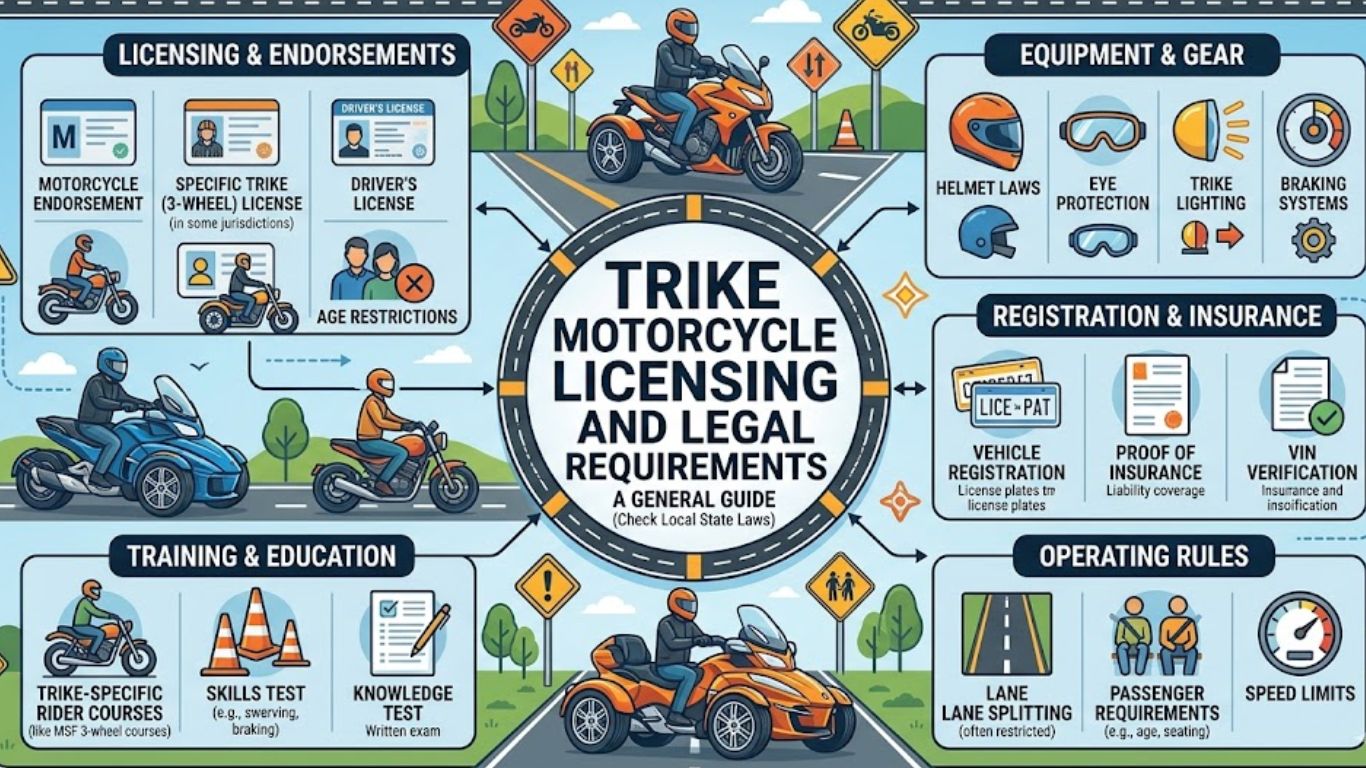
Before hitting the road, check your local laws.
Things to consider:
- Do you need a motorcycle license?
- Are helmets mandatory?
- What about insurance?
In many places, rules differ slightly from standard motorcycles.
10. Maintenance and Ownership Costs
Owning one involves more than just the upfront cost—you also need to consider ongoing expenses.
Ongoing costs include:
- Fuel
- Servicing
- Insurance
- Tire replacements
The good news? They’re often easier to maintain than cars.
11. Safety Tips for Riders
Even though these vehicles are stable, safety still matters.
Important tips:
- Always wear protective gear
- Follow speed limits
- Practice turning techniques
Remember, confidence is great—but caution keeps you safe.
12. Customization Options
Want your ride to stand out?
Customization ideas:
- Paint jobs
- LED lighting
- Sound systems
- Comfort upgrades
It’s like decorating your home—you can make it truly yours.
13. Who Should Buy One?
These vehicles aren’t just for one type of rider.
Ideal for:
- Beginners
- Older riders
- Touring enthusiasts
- People with balance concerns
If you love riding but want more control, this could be perfect.
14. Pros and Cons Explained
Advantages
- Stable and safe
- Comfortable for long rides
- Easy to handle
Disadvantages
- Higher cost than bikes
- Larger size (harder to park)
- Less traditional riding feel
Weighing these factors will help you decide wisely.
15. Final Buying Checklist
Before making your purchase, run through this quick checklist:
- Set a clear budget
- Decide between new or used
- Check legal requirements
- Test ride the vehicle
- Inspect condition carefully
This simple list can save you from costly mistakes.
FAQs
1. Are trike motorcycles easier to ride than regular bikes?
Yes, they are generally easier because they don’t require balancing, making them ideal for beginners.
2. Do I need a special license to ride one?
It depends on your country or state, but many places require a motorcycle license.
3. Are they safe for long-distance travel?
Absolutely. Their comfort and stability make them great for long rides.
4. How much does maintenance cost?
Costs vary, but they are usually similar to or slightly higher than standard motorcycles.
5. Can I customize my trike motorcycle?
Yes, there are many customization options available, from design upgrades to performance enhancements.
Conclusion
Choosing the right three-wheeled ride is like finding the perfect travel partner—it needs to match your comfort, style, and needs. Whether you’re chasing adventure or just want a smooth daily ride, these vehicles offer a unique blend of excitement and security.
Take your time, explore your options, and most importantly—enjoy the journey ahead.